 Marketing Strategy
The Ecommerce Metrics That Actually Matter for Profitability
Learn which ecommerce profitability metrics matter most, how to calculate them, and how to use them to make smarter marketing and growth decisions.
 Adpie Team12 min read

Blog
Actionable tips, guides and insights to help you build smarter ads and grow your business.
Marketing StrategyLearn which ecommerce profitability metrics matter most, how to calculate them, and how to use them to make smarter marketing and growth decisions.
Adpie Team12 min read Marketing Strategy
Discover which ecommerce metrics matter most and how to simplify your dashboard to make smarter, data-driven marketing decisions.
Adpie Team14 min read Google Ads
Discover how to identify wasted ad spend in Google Ads and Meta Ads, improve campaign performance, and make your advertising budget work harder.
Adpie Team13 min read Marketing Strategy
Learn how to identify your most profitable marketing channel by comparing customer acquisition costs, ROAS, contribution profit, and real sales data.
Adpie Team13 min read Marketing Strategy
Google Ads and Meta Ads serve different roles in ecommerce growth. Learn how to compare their performance using ROAS, CAC, attribution, and contribution profit.
Adpie Team11 min read Marketing Strategy
Discover how to measure ad profitability beyond ROAS using contribution margin, POAS, CAC, and MER to make smarter e-commerce marketing decisions.
Adpie Team10 min read Marketing Strategy
Understand the difference between contribution margin and ROAS, calculate break-even ROAS, and discover how to grow your ecommerce business more profitably.
Adpie Team12 min read Adpie
Discover how to calculate customer payback period, measure customer profitability, and turn ecommerce marketing spend into sustainable growth.
Adpie Team13 min read Marketing Strategy
Learn how ecommerce payback period works, how to calculate it, and how to turn customer acquisition into more profitable growth.
Adpie Team11 min read Marketing Strategy
Learn how to calculate e-commerce customer acquisition cost by channel, compare paid and organic acquisition, understand attribution differences, and use CAC alongside customer lifetime value to make smarter marketing budget decisions.
Adpie Team18 min read Marketing Strategy
CAC and CPA measure different aspects of customer acquisition. Learn their key differences, how to calculate each metric, and how ecommerce businesses can use both to evaluate advertising performance and growth.
Adpie Team14 min read Marketing Strategy
Learn what blended CAC is, how to calculate customer acquisition cost, and how to use it to measure marketing efficiency and make smarter growth decisions.
Adpie Team12 min read Marketing Strategy
Learn how to identify and fix 7 common Shopify marketing attribution problems, including revenue discrepancies, missing UTM parameters, duplicate purchase events, and inaccurate conversion tracking.
Adpie Team13 min read Google Ads
Learn how to connect Google Ads and Shopify, track purchase revenue, measure ROAS, and understand which campaigns are actually driving sales.
Adpie Team14 min read Instagram Ads
Learn how to connect Meta Ads and Shopify, track revenue from Facebook and Instagram campaigns, measure ROAS, and understand which campaigns actually drive sales.
Adpie Team12 min read Facebook Ads
Learn why Google Ads and Meta Ads can report different revenue for the same business, how attribution creates these discrepancies, and how to evaluate paid media performance more accurately.
Adpie Team9 min read Marketing Strategy
Learn how to calculate Marketing Efficiency Ratio (MER), understand the MER formula, compare MER with ROAS, and use MER to evaluate and improve overall marketing efficiency.
Adpie Team10 min read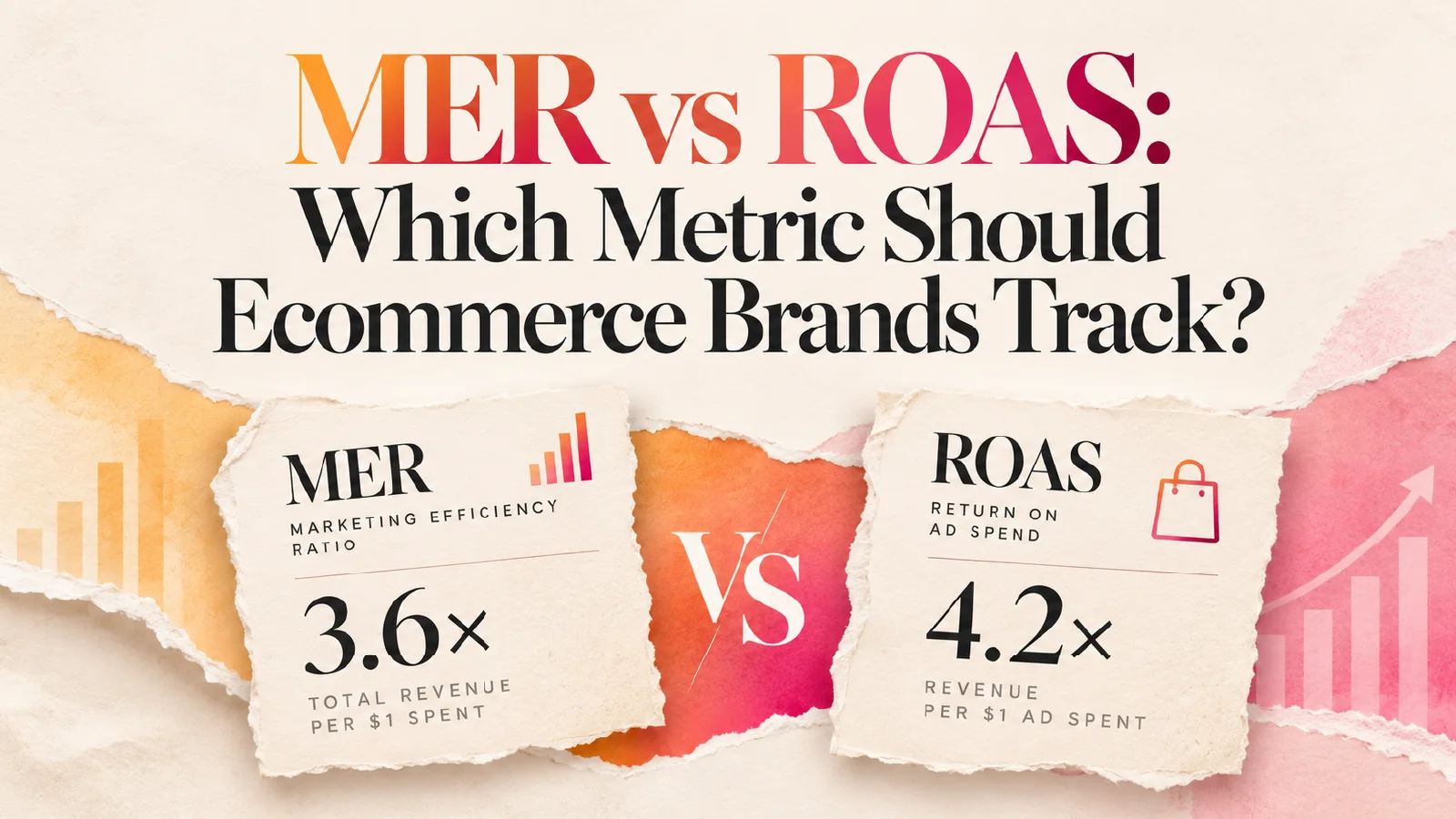 Marketing Strategy
MER and ROAS answer different questions. ROAS measures attributed revenue from advertising, while MER looks at overall revenue compared with marketing spend. Ecommerce brands can use both together to understand channel performance and overall marketing efficiency.
Adpie Team13 min read Marketing Strategy
Learn what blended ROAS means, how to calculate it for Shopify, and why comparing total store revenue with total ad spend gives you a clearer view of paid media performance.
Adpie Team11 min read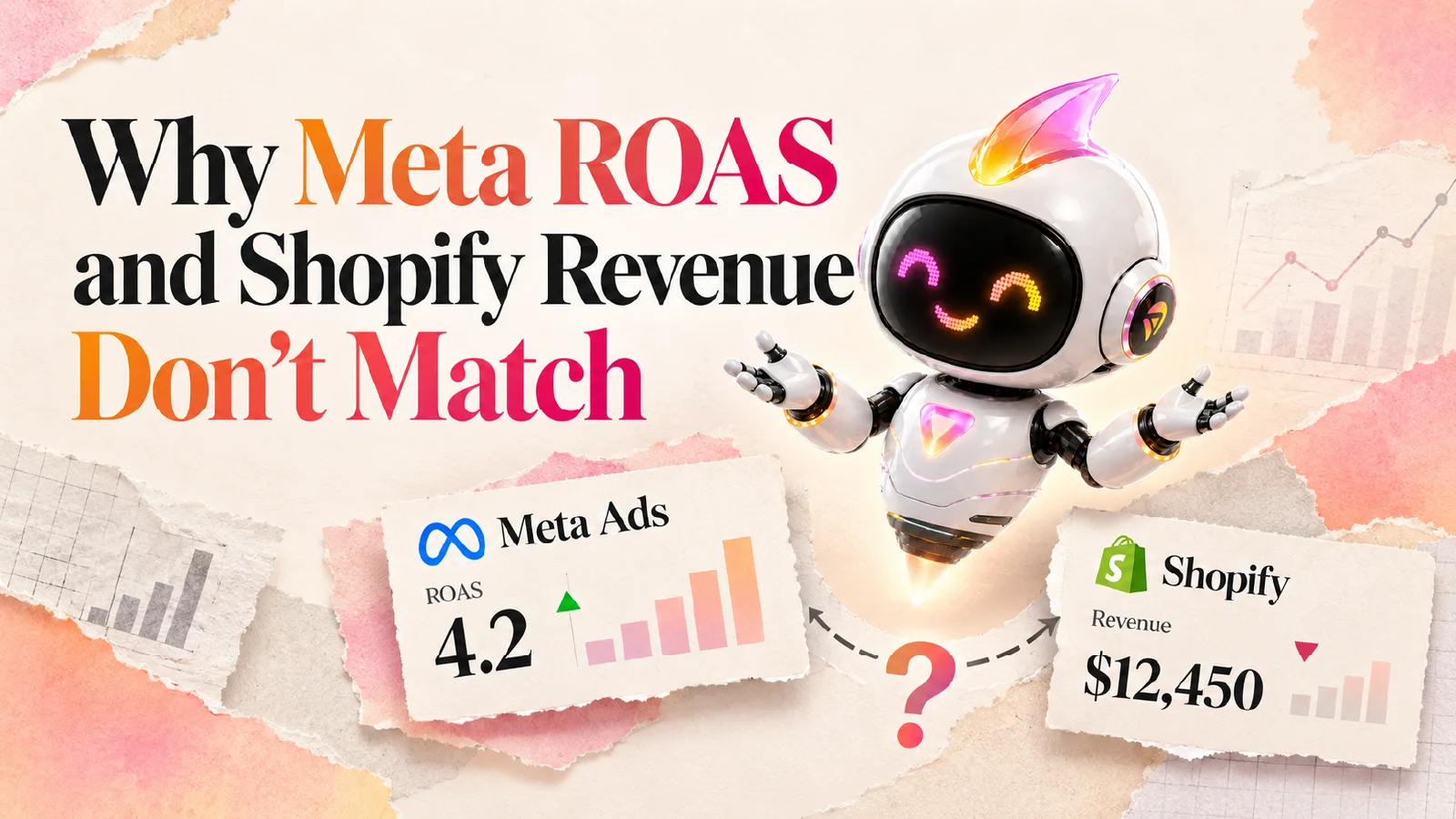 Marketing Strategy
Meta ROAS and Shopify revenue rarely match exactly. Learn why attribution, tracking, reporting windows, and customer journeys create different numbers, and how to get a clearer view of your real ecommerce performance.
Adpie Team12 min read Marketing Strategy
Understand how attribution, incrementality, and marketing mix modeling work together to help e-commerce brands measure marketing performance, identify incremental revenue, and make smarter budget decisions.
Adpie Team15 min read Marketing Strategy
Learn how e-commerce brands can collect, unify, and activate first-party data to improve marketing attribution, personalisation, customer retention, AI-powered insights, and growth.
Adpie Team15 min read Marketing Strategy
Learn how to build a unified marketing data stack for ecommerce by connecting advertising platforms, Shopify, analytics, customer data, and revenue into one actionable growth system.
Adpie Team14 min read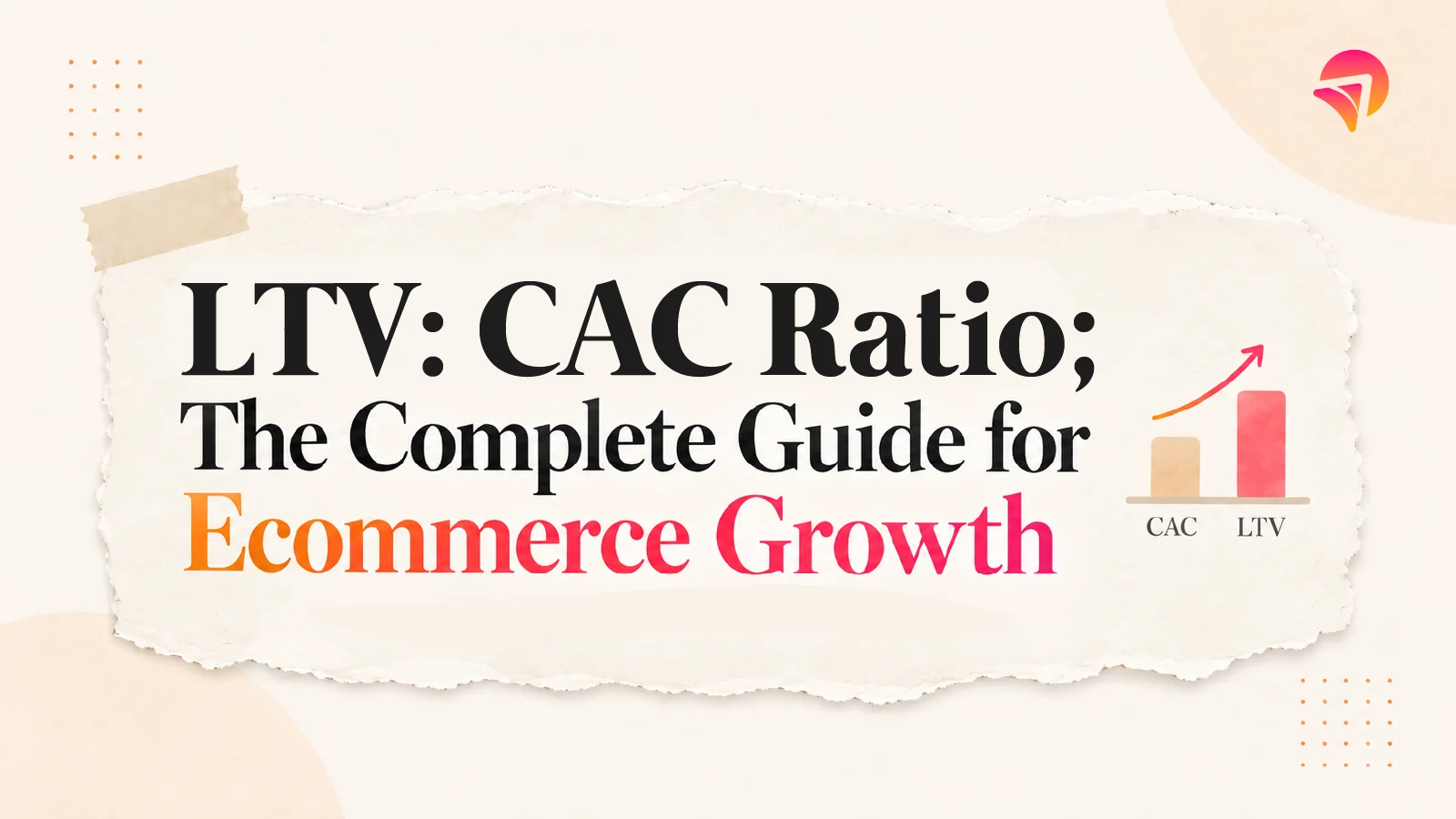 Marketing Strategy
LTV:CAC ratio shows how much customer value an ecommerce business generates compared with what it spends to acquire customers. Learn how to calculate it, interpret the 3:1 benchmark, reduce CAC, increase LTV, and build sustainable growth.
Adpie Team13 min read Marketing Strategy
Customer acquisition cost (CAC) shows how much a business spends to acquire a new customer. Learn how to calculate CAC, evaluate it against customer lifetime value, and reduce acquisition costs through better marketing and conversion strategies.
Adpie Team11 min read Marketing Strategy
Marginal ROAS shows how much additional revenue your next advertising dollar can generate. Learn how to use mROAS to identify diminishing returns, compare channels, and make smarter ecommerce budget allocation decisions.
Adpie Team10 min read Marketing Strategy
ROAS, ROI, and POAS measure different aspects of marketing performance. Learn how these metrics differ and how ecommerce brands can use them to measure revenue, profitability, and overall return.
Adpie Team7 min read Marketing Strategy
Media mix modelling (MMM) helps e-commerce brands measure the impact of marketing channels, understand diminishing returns, and make smarter budget allocation decisions using historical marketing and business data.
Adpie Team10 min read Marketing Strategy
Marketing attribution shows where conversions get credit, while incrementality measures the additional results actually caused by marketing.
Adpie Team2 min read Marketing Strategy
Marketing incrementality helps marketers understand how much additional growth their advertising actually creates. Learn how to measure incremental lift, compare incrementality with attribution, calculate incremental ROAS, and make smarter marketing budget decisions.
Adpie Team17 min read Creative Tips
Understand the difference between AI marketing automation and marketing intelligence, how each works, and why modern growth teams need both automation and intelligent decision-making.
Adpie Team10 min read Marketing Strategy
Learn how cross-channel analytics connects marketing data across platforms to improve attribution, budget allocation, customer journey analysis, and revenue-driven marketing decisions.
Adpie Team14 min read Adpie
Learn how AI can optimize marketing budgets by analyzing performance, identifying wasted spend, improving budget allocation, and connecting advertising investment with real business revenue.
Adpie Team13 min read Marketing Strategy
Learn what marketing data silos are, why fragmented data hurts performance, and how marketing data integration can create a unified view of advertising, ecommerce, and customer data.
Adpie Team13 min read Marketing Strategy
Discover the best marketing analytics tools for ecommerce, from Google Analytics and Shopify Analytics to attribution and AI-powered platforms that connect marketing performance with revenue.
Adpie Team14 min read Marketing Strategy
Build an AI-powered marketing dashboard that connects advertising data, revenue, and AI analysis to turn marketing reporting into actionable insights.
Adpie Team12 min read Ad Design
Creative intelligence uses AI and advertising data to understand what makes ad creative perform, helping marketers identify winning patterns, optimize campaigns, and create better ads that drive revenue.
Adpie Team12 min read Facebook Ads
Learn how to connect Shopify, Meta, and Google Ads to create more reliable marketing attribution, compare campaign performance, and connect advertising spend with actual ecommerce revenue.
Adpie Team11 min read Marketing Strategy
A practical guide to the most important marketing performance metrics and KPIs growth teams should track to measure acquisition, conversion, revenue, efficiency, and long-term growth.
Adpie Team12 min read Marketing Strategy
AI helps marketers identify wasted ad spend, optimize budgets across Meta and Google Ads, and connect advertising performance with real revenue to make smarter, more profitable decisions.
Adpie Team12 min read Adpie
A practical guide to marketing measurement frameworks, including KPIs, attribution, ROI, channel performance, and building a data-driven measurement model.
Adpie Team18 min read Adpie
Discover the best AI advertising software for Shopify stores and learn how Shopify AI can optimize ad spend, products, campaigns, and revenue.
Adpie Team12 min read Marketing Strategy
Compare the best marketing intelligence platforms, including Adpie, Triple Whale, Northbeam, Supermetrics, Funnel.io, and more. Find the right marketing intelligence software for your business.
Adpie Team7 min read Marketing Strategy
Explore the 12 best AI marketing tools for ecommerce and discover how they compare across creative generation, campaign automation, attribution, analytics, and marketing intelligence. Find the right platform based on your specific marketing needs and growth goals.
Adpie Team7 min read Marketing Strategy
ROAS is one of the most important ecommerce metrics, but platform-reported figures often tell only part of the story due to different attribution models. This guide explains how to calculate true ROAS using Shopify data, why first-party revenue should be your source of truth, and how marketing intelligence helps connect advertising performance with real business outcomes.
Adpie Team7 min read Marketing Strategy
Marketing analytics measures campaign performance and reports what happened, while marketing intelligence goes a step further by connecting data across channels to explain why performance changed. This guide explores the key differences between the two, their roles in modern marketing, and how AI helps ecommerce brands turn data into smarter decisions.
Adpie Team5 min read Marketing Strategy
Marketing attribution helps ecommerce brands understand which marketing touchpoints influence customer purchases, but traditional attribution models are becoming less reliable as customer journeys grow more complex. This guide explores modern attribution models, the impact of privacy changes, and how AI-powered marketing intelligence helps marketers connect data, explain performance, and make smarter growth decisions in 2026.
Adpie Team6 min read Marketing Strategy
Learn how AI transforms Shopify data into business intelligence by predicting customer value, improving demand forecasting, and helping merchants make smarter marketing decisions.
Adpie Team8 min read Marketing Strategy
Learn why combining Shopify data with AI gives marketers deeper insights, better attribution, and more confident business decisions.
Adpie Team6 min read Marketing Strategy
Marketing intelligence helps businesses make smarter budget decisions by connecting data across channels, uncovering the reasons behind performance, and predicting future outcomes. Instead of relying on isolated metrics or automation alone, it enables marketers to invest with greater confidence and focus on long-term business growth.
Adpie Team9 min read Marketing Strategy
Most marketing AI focuses on automating tasks, but automation alone isn’t enough. The next evolution of AI is explainability—helping marketers understand why performance changes, uncover root causes, and make more confident strategic decisions, not just execute recommendations faster.
Adpie Team8 min read Marketing Strategy
Marketing intelligence is evolving beyond dashboards and isolated metrics. This article explores how AI helps businesses connect marketing data, uncover the reasons behind performance changes, and make smarter, evidence-based decisions through connected insights and explainable intelligence.
Adpie Team7 min read Marketing Strategy
Marketing analysis should help teams make better decisions, not consume hours of their day. Discover the hidden costs of manual reporting, disconnected dashboards, and how AI can turn complex marketing data into actionable insights.
Adpie Team4 min read Marketing Strategy
Dashboards show what happened, not why. Learn how AI-powered marketing intelligence connects Shopify and ad platform data to uncover the real reasons behind your performance.
Adpie Team5 min read Adpie
Adpie is an AI-powered marketing intelligence platform that combines Shopify and advertising data to reveal what’s driving performance and what to optimize next. It replaces manual reporting with actionable AI insights, helping marketers make faster, smarter growth decisions.
Adpie Team1 min read Adpie
ROAS tells you what changed, but not why. Discover why marketing visibility matters more than another dashboard—and how AI helps uncover the real drivers behind performance.
Adpie Team2 min read Marketing Strategy
Learn how to spot wasted ad spend, identify underperforming campaigns, and make smarter optimisation decisions that improve efficiency and return on ad spend.
Adpie Team8 min read Creative Tips
Learn how to recognise creative fatigue, understand why ad performance declines over time, and identify when your campaigns need fresh visuals, messaging, or formats.
Adpie Team6 min read Instagram Ads
Learn how to set up, optimise and scale Instagram Ads campaigns with better targeting, stronger creatives, accurate tracking and smarter budget decisions.
Adpie Team3 min read Facebook Ads
Discover seven practical Facebook Ads strategies to improve tracking, strengthen your creatives, reduce wasted spend, and scale campaigns more profitably.
Adpie Team11 min read Marketing Strategy
Learn how to identify, reach, and convert the right audience using practical targeting strategies across your advertising campaigns.
Adpie Team6 min read Ad Design
Learn how different colours influence attention, emotion and buying decisions, and how to use colour more effectively in your ad creatives.
Adpie Team4 min read Google Ads
Discover practical Google Ads best practices to improve campaign structure, reduce wasted spend, optimise conversions and achieve a higher return on investment.
Adpie Team4 min read TikTok Ads
Learn how to launch your first TikTok Ads campaign, choose the right objective, build effective creatives, set your budget and measure performance with confidence.
Adpie Team3 min read Creative Tips
Learn how to create scroll-stopping ad creatives using stronger hooks, clear visual hierarchy, proven formats and a structured testing process.
Adpie Team13 min read Marketing Strategy
Learn why ads can generate plenty of clicks but still fail to convert, and how to identify problems across targeting, messaging, landing pages, offers, tracking, and checkout.
Adpie Team9 min readNo articles match your filters.